
Search is changing fast.
Users are no longer clicking ten blue links, scrolling endlessly, and comparing blogs. Instead, they’re asking questions directly to AI-powered answer engines — Google AI Overviews, ChatGPT, Gemini, Perplexity — and getting instant answers.
This shift has created a new discipline that every marketer, SEO, and content creator needs to understand:
Answer Engine Optimization (AEO).
In this guide, we’ll break down:
What AEO really means (and how it differs from traditional SEO)
Why AI-driven search is changing ranking behavior
How to optimize your content for answer engines
Practical frameworks and examples you can apply today
What to prioritize for 2026 and beyond
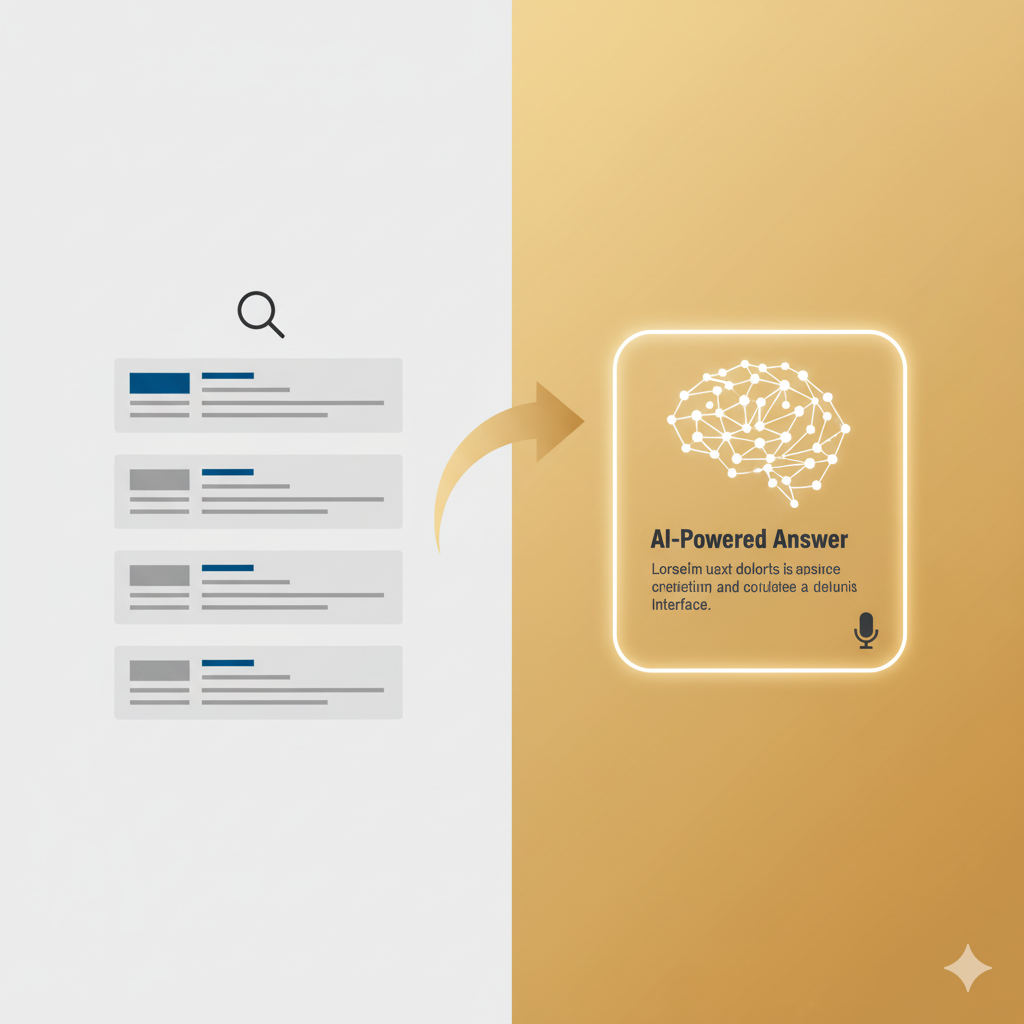
If SEO is about ranking pages, AEO is about becoming the answer.

What Is Answer Engine Optimization (AEO)?
Answer Engine Optimization (AEO) is the practice of optimizing content so that AI systems and answer engines can easily extract, understand, and present it as a direct answer to user queries.
Unlike traditional SEO, where the goal is to rank a webpage, AEO focuses on:
Answer clarity
Structured information
Conversational relevance
Authority and trust signals
In simple terms: SEO helps users find your page. AEO helps AI use your content as the answer.
Why AEO Matters More in 2026 Than Ever Before
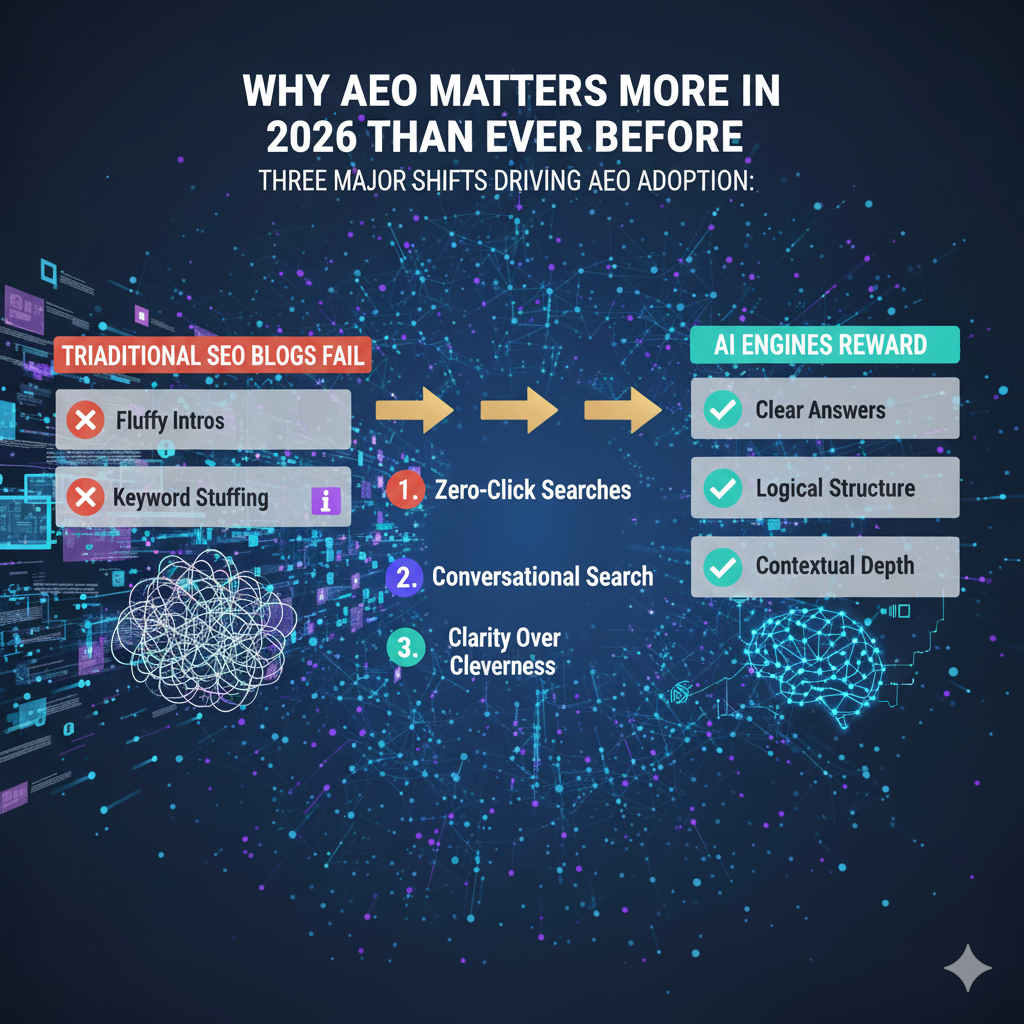
Three major shifts are driving AEO adoption:
1. Rise of Zero-Click Searches
Many queries are now answered without a click:
Definitions
Comparisons
“How to” questions
Summaries
AI Overviews and chat interfaces reduce the need to visit multiple sites.
If your content isn’t structured for answers, it gets skipped — even if it ranks.
2. Conversational Search Is the New Normal
Users no longer search like this: “SEO best practices”
They ask: “How do I optimize my content for AI search?”
AEO aligns content with natural language queries.
3. AI Engines Prefer Clarity Over Cleverness
AI doesn’t reward:
Fluffy intros
Over-optimized keyword stuffing
Long-winded explanations
It rewards:
Clear answers
Logical structure
Contextual depth
This is where many traditional SEO blogs fail.
AEO vs Traditional SEO: What’s the Difference?
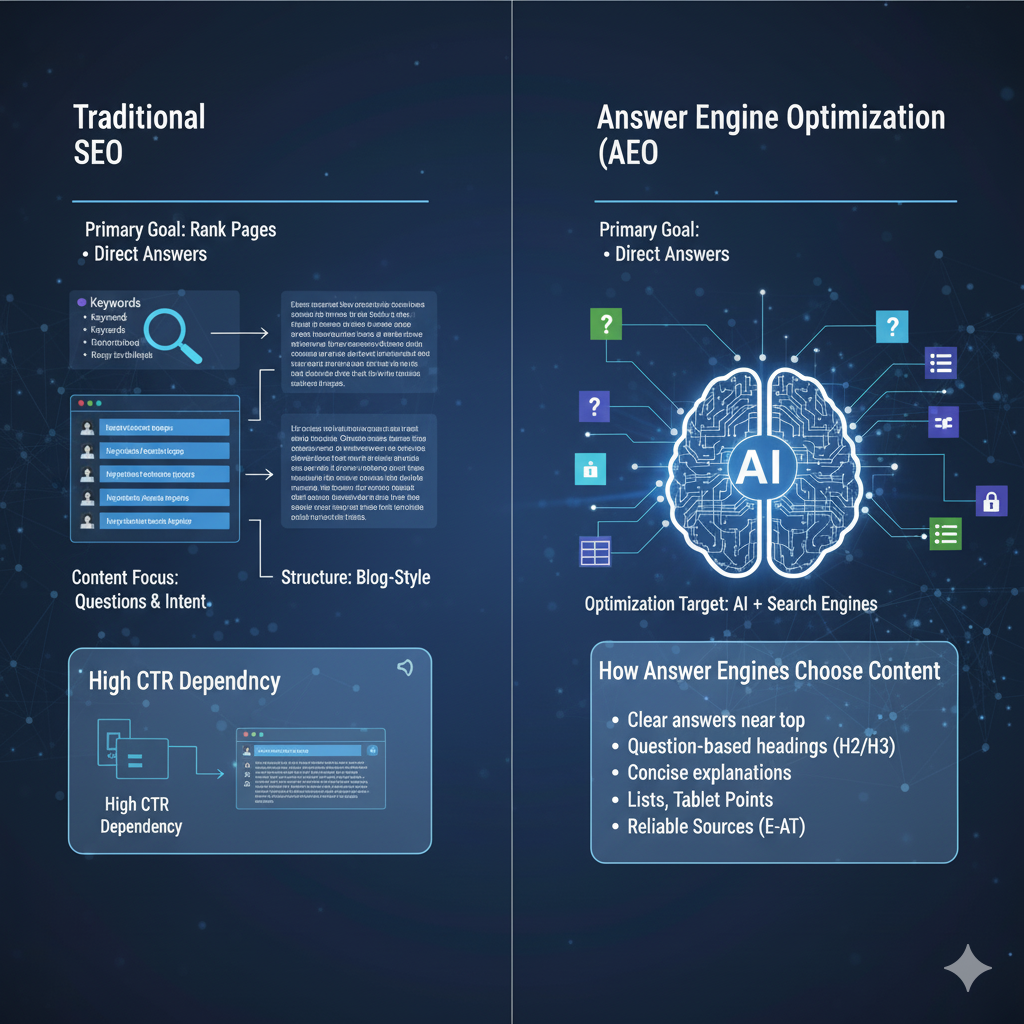
| Aspect | Traditional SEO | Answer Engine Optimization |
|---|---|---|
| Primary goal | Rank pages | Provide direct answers |
| Content focus | Keywords | Questions & intent |
| Structure | Blog-style | Structured, modular |
| CTR dependency | High | Often low or zero |
| Optimization target | Search engines | AI + search engines |
How Answer Engines Choose Content
AI systems look for signals like:
Clear answers near the top of the page
Question-based headings (H2s, H3s)
Concise explanations
Lists, tables, and bullet points
Consistent topical authority
Reliable sources and expertise signals
They don’t want creativity first — they want confidence and clarity.
Core Principles of AEO (That Actually Work)
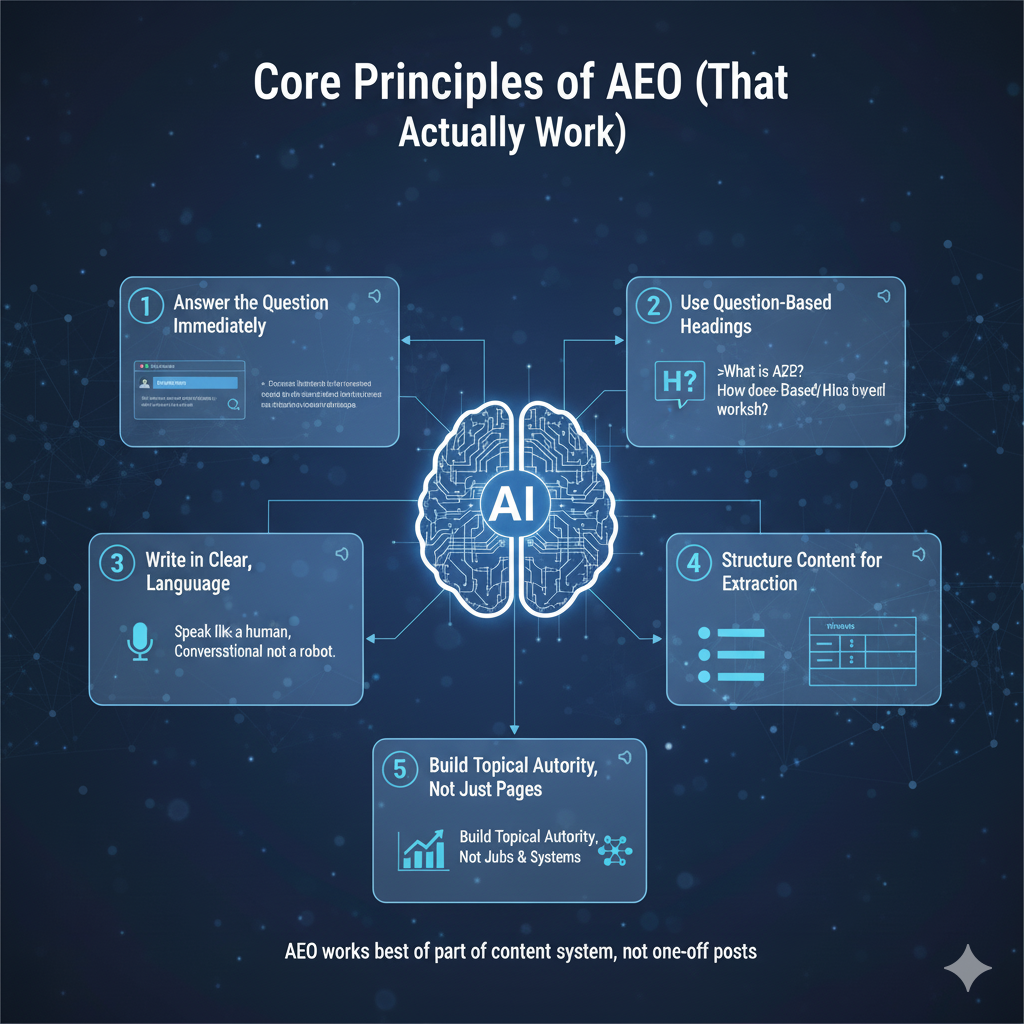
1. Answer the Question Immediately
If your page answers a question, do it within the first 2–3 paragraphs.
Bad: Long storytelling before the answer.
Good: Direct answer → expanded explanation.
2. Use Question-Based Headings
Your headings should mirror how users ask questions.
Examples:
What is Answer Engine Optimization?
How does AEO differ from SEO?
How do you optimize content for AI search?
This makes it easy for AI to map intent → answer.
3. Write in Clear, Conversational Language
Avoid jargon unless necessary.
Think: “Would this make sense if read aloud?”
If yes, AI can likely parse it well.
4. Structure Content for Extraction
AI prefers content that’s easy to “lift”.
Use:
Bullet points
Numbered steps
Tables
Definitions in short paragraphs
Messy formatting kills AEO potential.
5. Build Topical Authority, Not Just Pages
One article won’t win AEO alone.
Answer engines trust:
Websites that cover topics deeply and consistently
Interlinked content clusters
That’s why AEO works best as part of a content system, not one-off posts.
How to Optimize Content for Answer Engines (Step-by-Step)
Step 1: Identify Question-Led Keywords
Instead of only focusing on keywords, focus on questions, such as:
What is…
How does…
Why does…
Best way to…
These are prime AEO triggers.
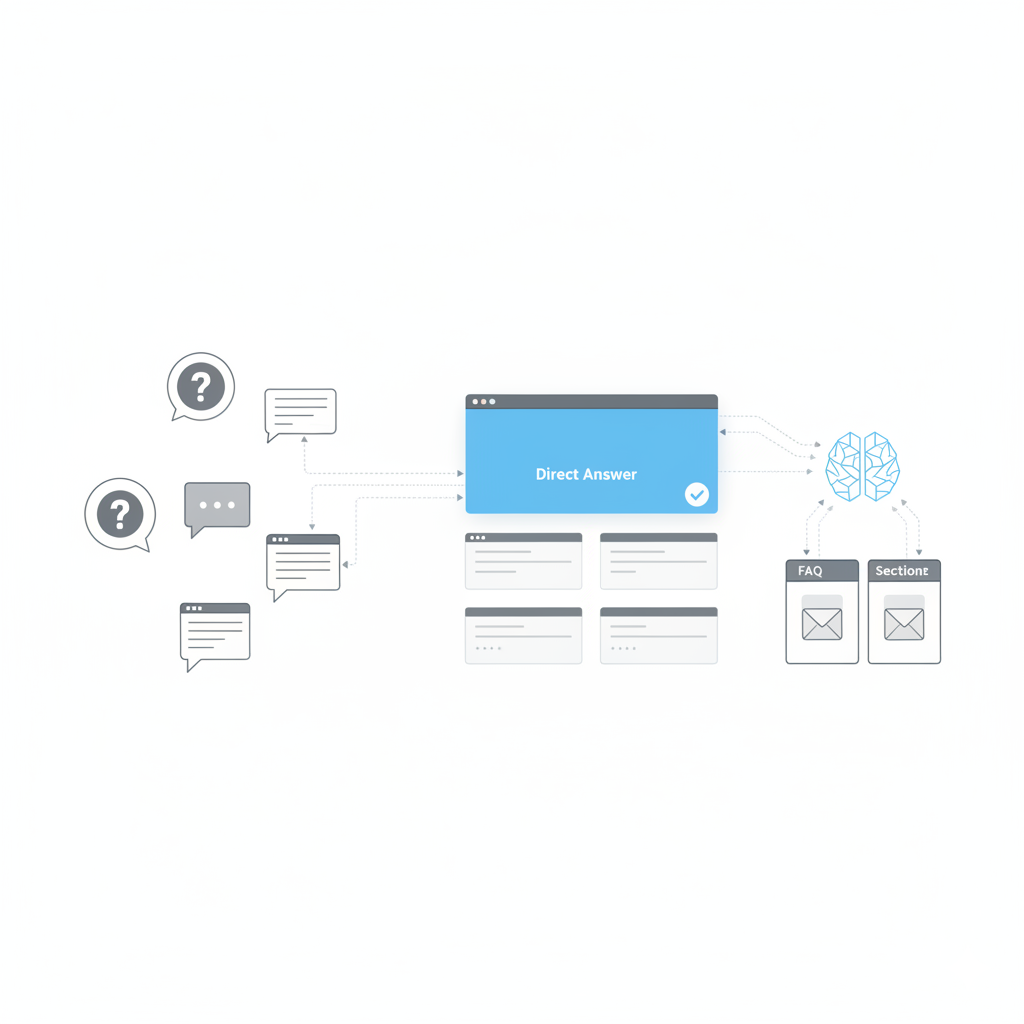
Step 2: Create an “Answer Block”
Early in the content, include:
A direct definition
A concise explanation (40–80 words)
No fluff
This increases your chances of being cited or summarized.
Step 3: Expand With Context, Not Repetition
After the answer:
Explain why it matters
Add examples
Include edge cases
AI prefers depth after clarity.
Step 4: Use FAQs Strategically
FAQs are not filler anymore.
Well-written FAQs:
Improve AEO
Improve featured snippet eligibility
Improve voice search relevance
But only include real questions users ask.
Step 5: Strengthen Trust Signals
AI favors content that appears credible.
Signals include:
Consistent author voice
Real-world experience
Internal linking to related topics
Updated timestamps and relevance
This is where personal expertise quietly helps.
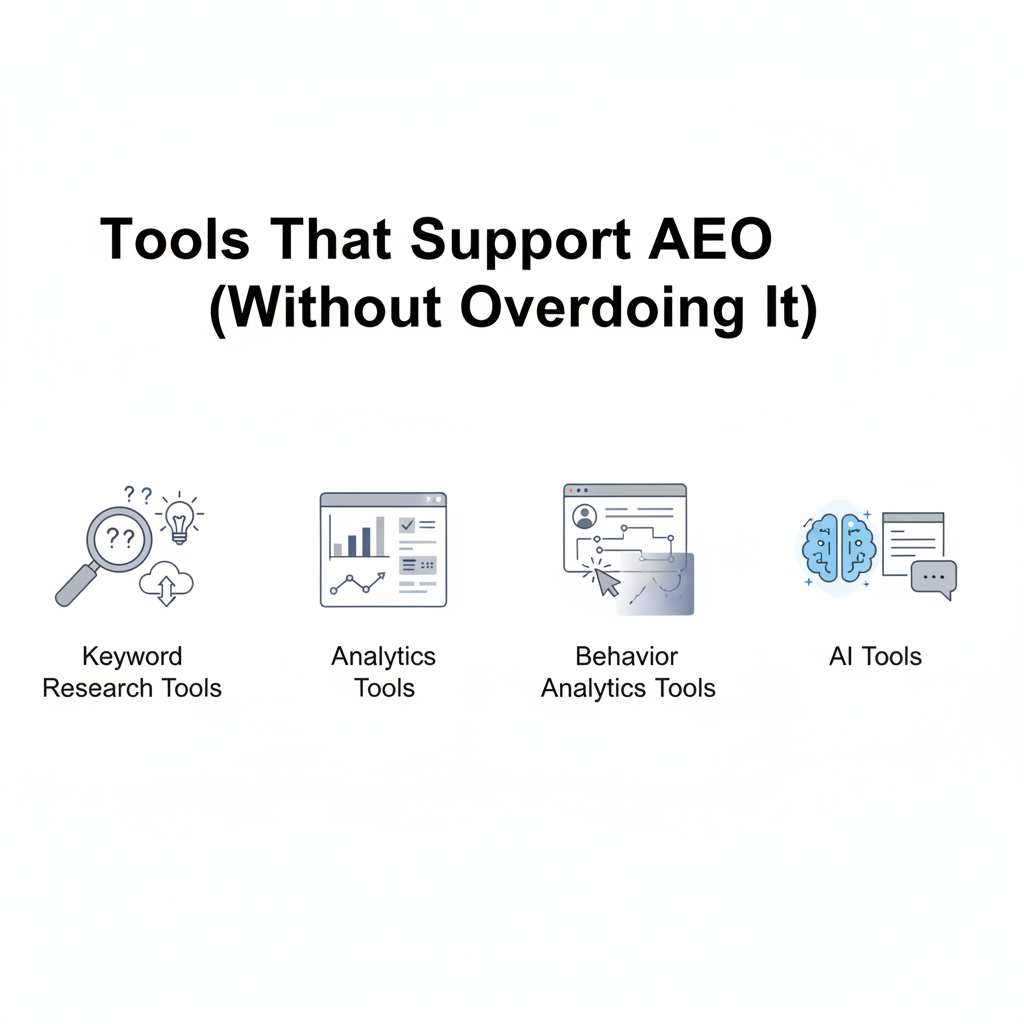
Tools That Support AEO (Without Overdoing It)
AEO isn’t about more tools — it’s about smarter usage.
Helpful categories:
Keyword research tools (for question discovery)
Analytics tools (to track engagement)
Behavior analytics tools (to see how users interact)
AI tools (to test how content is summarized)
Use tools to validate clarity, not replace thinking.
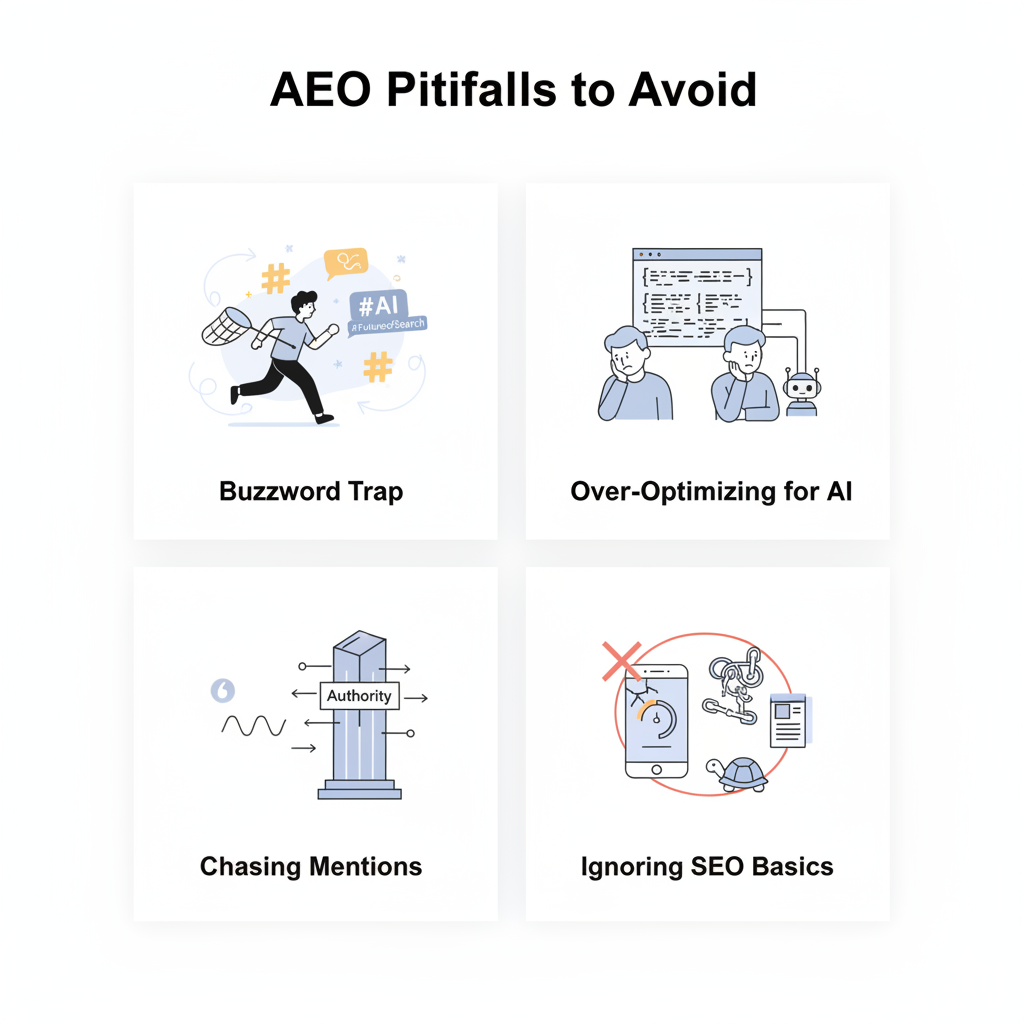
Common Mistakes Marketers Make With AEO
1. Treating AEO as a Buzzword
AEO is not a trend — it’s a response to how search behavior has changed.
Ignoring it won’t stop the shift.
2. Over-Optimizing for AI
Content written only for AI sounds robotic.
Always write for humans first — structure for AI second.
3. Chasing Mentions Instead of Authority
Getting cited once is good.
Being consistently useful is better.
Authority compounds.
4. Ignoring Traditional SEO Basics
AEO doesn’t replace:
Page speed
Mobile experience
Internal linking
Content quality
It builds on them.
How AEO Fits Into a Modern MarTech Stack
AEO connects naturally with:
SEO & content strategy
CRO & UX optimization
Analytics & behavior tracking
Marketing automation
When users find clearer answers:
Engagement improves
Trust increases
Conversion paths shorten
AEO is not just about discovery — it affects the entire funnel.
What to Prioritize for AEO in 2026
If you do only a few things, do these:
Write clearer answers, faster
Structure content for extraction
Cover topics deeply, not widely
Align content with real questions
Update existing content for clarity
The future of search rewards usefulness over volume.
Final Thoughts: SEO Isn’t Dead — It’s Evolving
The biggest mistake marketers make is thinking: “AI will kill SEO.”
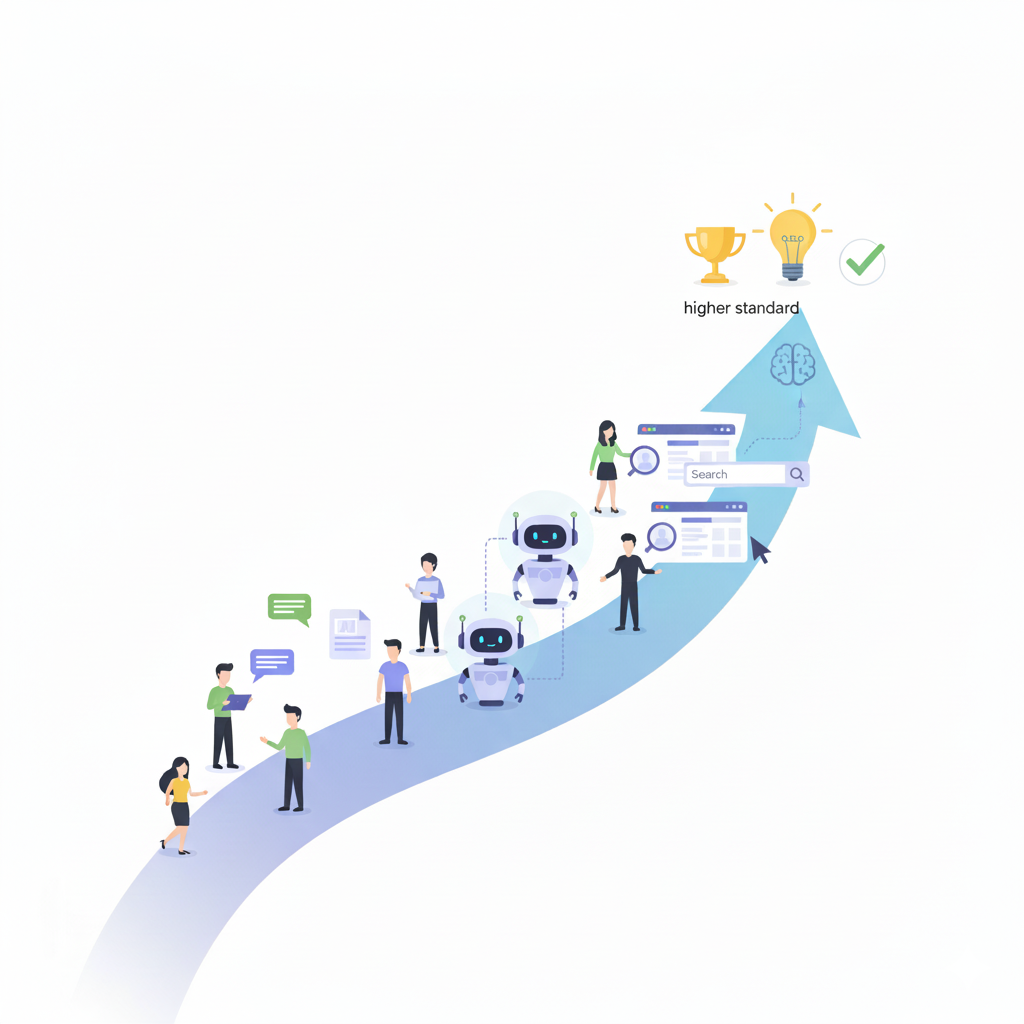
The reality: AI is forcing SEO to become better.
Answer Engine Optimization isn’t a shortcut. It’s a higher standard.
If your content genuinely helps users, AEO simply gives it a better chance to be seen — or heard — in the AI-driven search world.
And that’s exactly where search is heading.