If you’ve ever stared at your analytics dashboard and wondered “but why aren’t users converting?” — you’re not alone. Numbers tell you what’s happening, but not why.
That’s where Hotjar steps in.
As someone who’s built and optimized plenty of marketing funnels, CRMs, and websites, I’ve found Hotjar to be one of those tools that actually helps you see through your visitors’ eyes. From watching user recordings to analyzing click maps, it’s like having a silent observer show you the “aha” moments you’ve been missing.
So in this review, I’ll break down Hotjar’s features, my personal take on its pros and cons, and whether it’s worth using in 2025.
What is Hotjar?
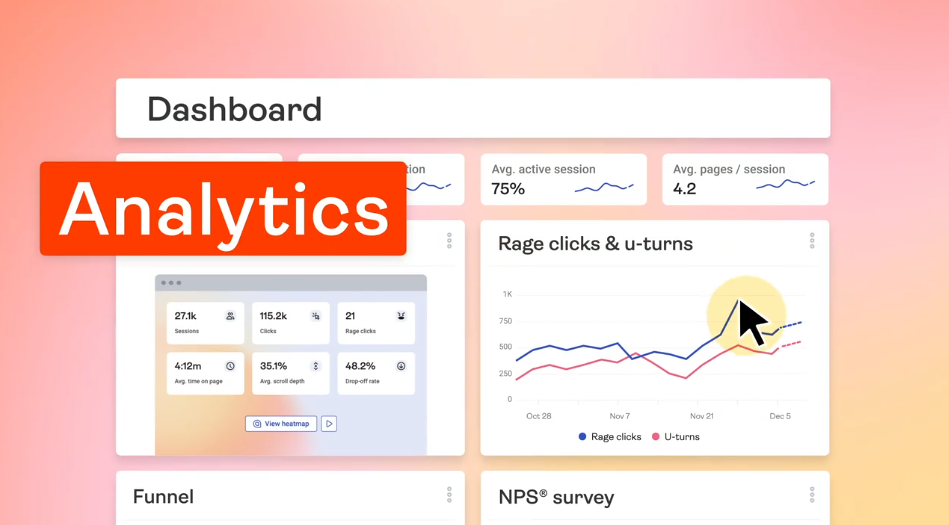
Hotjar is a behavior analytics platform that helps you visualize and understand how users interact with your website.
Instead of traditional analytics tools that just show you numbers (like bounce rate or CTR), Hotjar offers:
Heatmaps – visual maps showing where users click, scroll, or hover
Recordings – real-time playback of user sessions
Surveys & Feedback – tools to ask visitors why they acted a certain way
User Interviews (Engage) – direct conversations with users to gather deeper insights
In short, it bridges the gap between quantitative analytics and qualitative understanding — something most marketers miss.
Image source: Hotjar Official Website
Key Features (and What Stands Out in 2025)
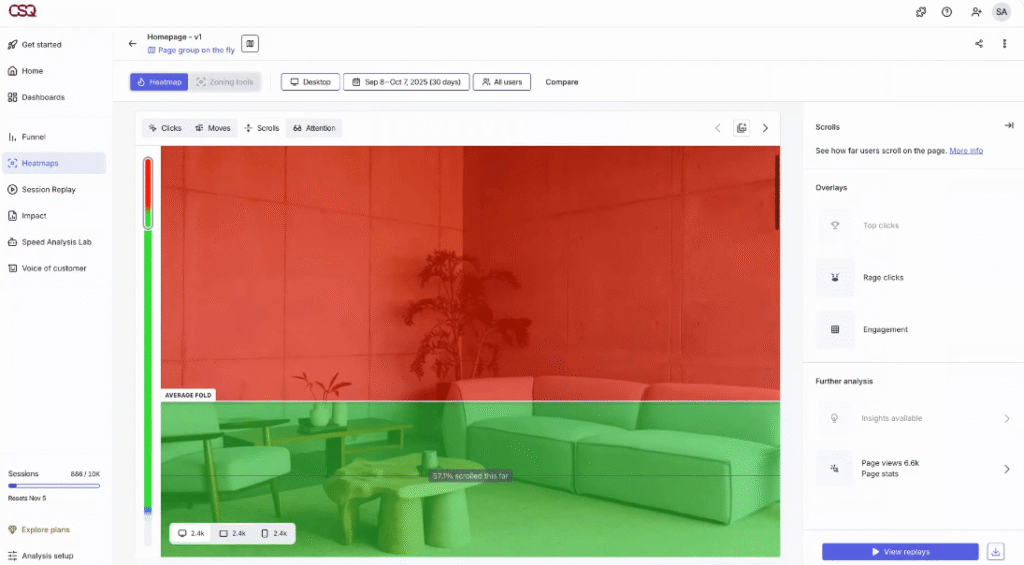
1. Heatmaps — Visualize User Behavior
Hotjar’s heatmaps let you instantly see where users click, scroll, and linger on your pages — highlighting high-engagement zones and dead spots.
💬 My take: These are perfect before redesigns or campaign launches. They turn vague “UX feedback” into visual proof.
Image source: Hotjar Official Website
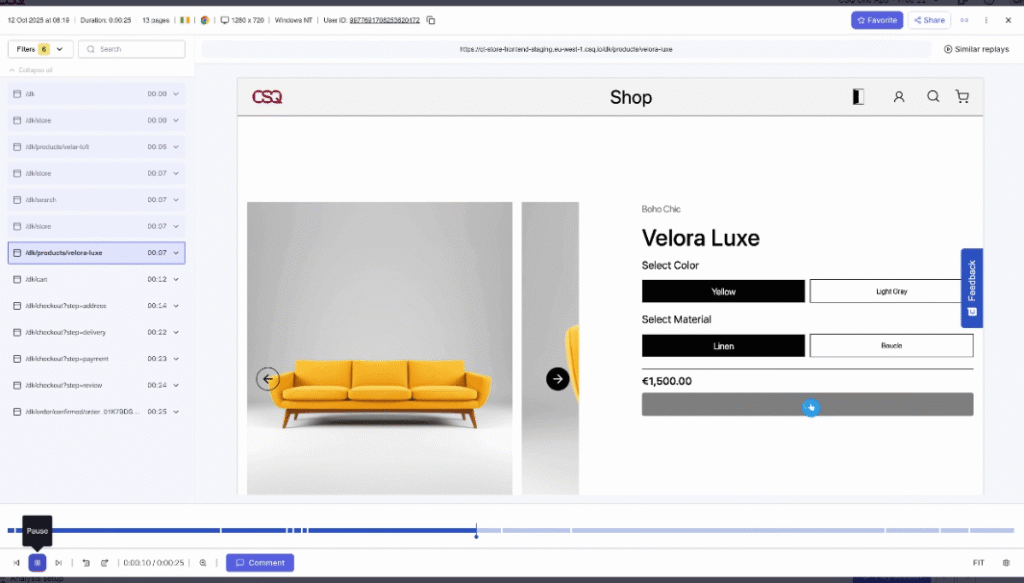
2. Session Replay — See What Users See
Watch real visitors navigate your pages — every scroll, hesitation, and click.
💬 Insight: Recordings have helped me spot subtle usability issues that analytics never revealed.
Image source: Hotjar Official Website
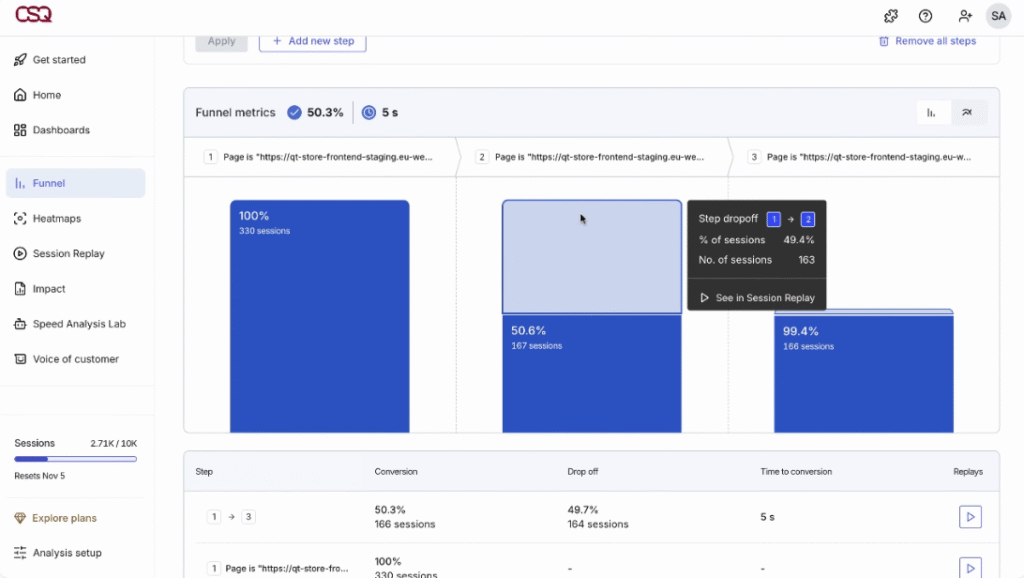
3. Funnels — Spot Where Users Drop Off
Visualize your conversion flow and identify where users abandon their journey.
💬 Pro tip: Combine Funnels with Recordings — watch users who dropped off to understand why.
Image source: Hotjar Official Website
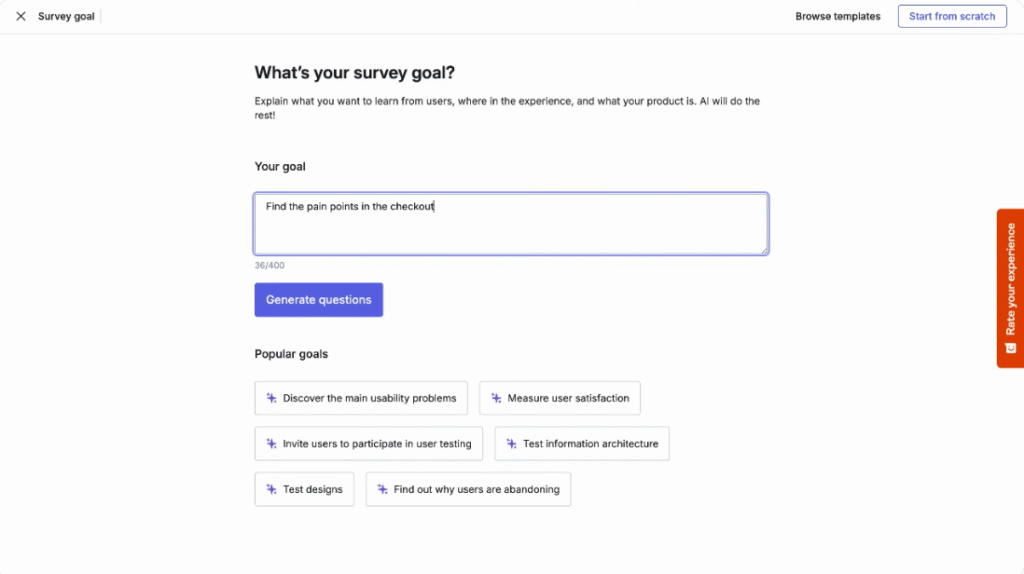
4. Surveys — Hear From Your Users
Capture on-page feedback directly from your audience. You can ask open-ended questions or simple NPS-style ratings.
💬 I often trigger exit-intent surveys on landing pages to understand why users didn’t convert — it’s simple but powerful.
Image source: Hotjar Official Website
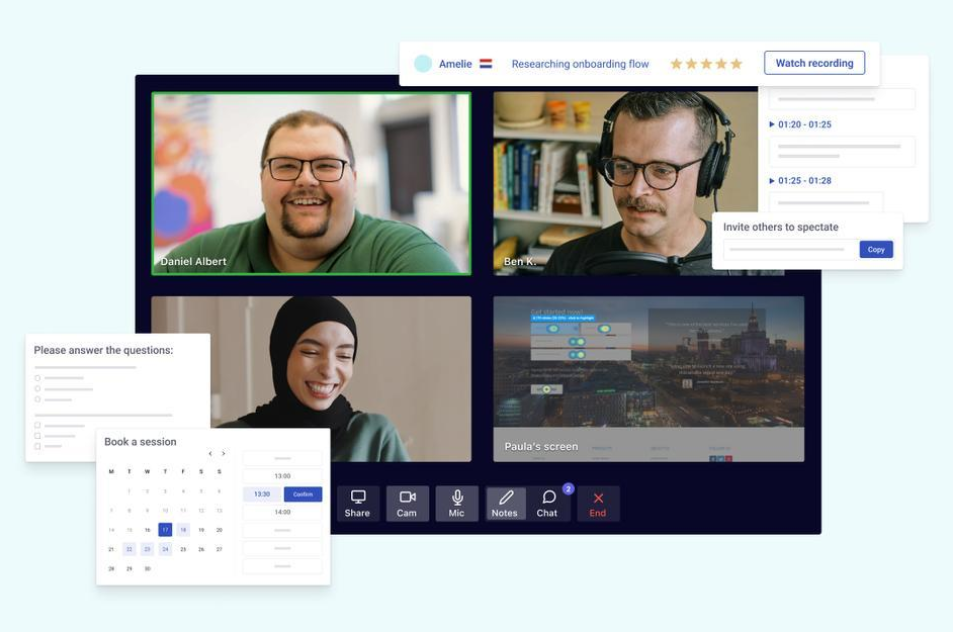
5. Interviews — Connect 1:1 With Users
The Engage feature allows you to recruit and interview real users without leaving the platform.
💬 This feature bridges marketing and UX — you can validate ideas or identify friction in real time.
Image source: Hotjar Official Website
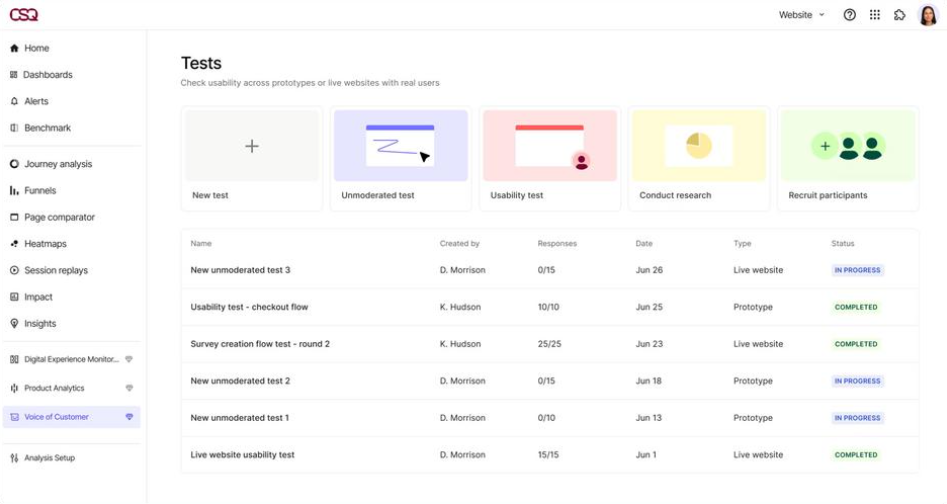
6. User Tests — Conduct Research at Scale
Hotjar’s testing capability lets you collect behavioral and feedback data across segments.
💬 For marketers, this is a hidden gem — you can validate ad creatives or landing pages before scaling campaigns.
Image source: Hotjar Official Website
Pros and Cons
✅ Pros
Extremely easy to set up — no dev dependency after initial install
Heatmaps and recordings deliver actionable insights fast
Combines analytics + feedback in one place
Integration with tools like HubSpot, Slack, and Google Optimize
Great onboarding and support content
⚠️ Cons
Session recordings can get overwhelming if not filtered
Advanced analytics still lag behind GA4 or Mixpanel
Limited historical data on lower plans
Surveys lack deep customization options compared to Typeform
Hotjar Pricing (2026 Overview)
(Based on official Hotjar pricing page)
Free Plan – $0/month
→ Up to 20,000 monthly sessions, unlimited heatmaps, 7 integrations, and basic filters.Growth Plan – Starting at $49/month
→ Adds AI-powered insights (“Hotjar Sense”), frustration tracking, advanced filters, and more recordings.Pro / Enterprise Plans – Custom pricing
→ For high-traffic sites (1M+ sessions), advanced zone heatmaps, and full data integrations.
💡 Tip: You can mix and match products — for instance, use a Free “Ask” plan for surveys while upgrading “Observe” for heatmaps. Yearly billing saves ~20%.
Hotjar vs. Alternatives
| Feature | Hotjar | Microsoft Clarity | Crazy Egg | GA4 |
|---|---|---|---|---|
| Heatmaps | ||||
| Recordings | ||||
| Surveys | ||||
| AI Insights | ||||
| Pricing | Free to Premium | Completely Free | Paid | Free |
Verdict: If you want a mix of usability, design feedback, and real-time behavior tracking, Hotjar still feels one step ahead. Clarity is great as a free tool, but Hotjar’s feedback features make it far more actionable for marketers.
My Experience with Hotjar
I’ve used Hotjar across multiple client websites and my own MarTech projects.
It’s the first tool I open when a campaign underperforms or a landing page stops converting.
The recordings often reveal UX blockers we didn’t even think of.
The heatmaps are my go-to for prioritizing A/B tests.
And the surveys? They’ve saved me countless hours of guessing user intent.
The new AI layer in 2025 (Hotjar Sense) is surprisingly intuitive — it automatically flags friction points like rage clicks or dead zones. It’s not perfect yet, but it’s evolving fast.
Final Verdict: Is Hotjar Worth It in 2026?
If you’re serious about improving conversions, UX, and marketing performance — yes, absolutely.
Hotjar isn’t just a data tool — it’s a decision-making tool.
It gives marketers a clear window into the “why” behind user behavior.
Whether you’re a solo marketer or part of a growth team, it’s one of those must-have tools that pay for themselves quickly — if you actually act on what it shows you.